
Spring vs Fall in Europe: Which Season Is Better for Solo Women?
Updated: Aug 13
Fall wins for most solo women traveling in Europe. September and October deliver lower prices, quieter streets, easier solo dining, and a richer cultural calendar in Paris, London, Prague, Lisbon, and Porto. Spring wins when your trip is built around a specific experience: Keukenhof tulips, Easter markets, or the long May evenings that make solo walking safer and more comfortable. Rome is the one exception where the season matters less than your ticket strategy. The full city-by-city verdicts are below.
Spring vs. Fall in Europe at a Glance
The table below covers the six factors that matter most for solo women deciding between seasons. Scan it for a fast answer, then read the city verdicts below for the specifics.
Travel Factor | Spring (April to May) | Fall (September to October) | Best Seasonal Winner |
Weather Stability | Variable. April can be cold and wet north of the Alps. May is more settled across most of Europe. | Warm and stable through September. October brings occasional rain in the north. Southern Europe stays warm and dry. | 🍂 Fall |
Crowd Levels | Growing toward summer. Easter week hits near-August density in Rome, Paris, and Barcelona. | Northern and Central cities empty out clearly. Southern Europe stays busy through October. The crowd relief is real but not universal. | ⚖️ Depends on City |
Trip Pricing | Mid-range. Easter week and the tournament in late May push local prices to peak summer levels. | Consistent shoulder pricing across most cities. October is the best value month of the warmer half of the year. | 🍂 Fall |
Cultural Events | Easter markets, tulip season, cherry blossoms, and outdoor festival openings. | Wine harvests, theater and gallery season openings, harvest food festivals, and autumn foliage. | 🌸 Spring |
Safety and Comfort | Longer daylight from May is a real solo comfort. Easter crowds raise pickpocket risk at major sites. | Calmer streets in northern cities make navigation easier. Shorter days from late October need factoring into evening plans. | 🤝 Tie |
Solo Dining Ease | City energy is high and outdoor life is back. Long May evenings make post-dinner walks comfortable. | Easier to get a table for one. Restaurant staff are less rushed, creating a relaxed pace that suits solo dining well. | 🍂 Fall |
The Colosseum queue in October stretched further than I expected. I had gone back to Rome in the fall to avoid the Easter week crowds I remembered from April. The light, the food, and the streets at dusk were everything I had hoped for.
But the queue was still there, and I was not the only one who had worked out that October is Rome's open secret. The difference this time was that I had bought tickets in advance via a verified booking partner. Problem solved, morning reclaimed.
The Quick Verdict: For most women travelers, autumn (September to October) wins on crowd levels and soft light, while spring (April to May) wins on energy and outdoor cultural events. The best season depends on your priorities. This guide gives you the verdict city by city across Paris, Rome, London, Lisbon, Prague, and Amsterdam.
This is a decision guide, not a general travel post. Each city gets a verdict. Each section tells you what the season actually feels like for a woman traveling alone, not what the brochure says it feels like.
Not sure where to start? The solo travel guide for women handles the preparation side: safety, loneliness, packing, and logistics. Once you've picked a destination from the 12 Best Solo Destinations, this seasonal guide helps you decide when to go.
In This Decision Guide:
What Spring in Europe Feels Like for a Solo Woman

Spring rewards women who go in knowing what to expect. Four things shape the experience on the ground.
🌦 Weather variability: April is cold and wet north of the Alps on a regular basis. May stabilizes almost everywhere. Build indoor options into your April days, and you will not feel caught out.
🌅 Daylight, the solo safety asset: By May, Paris stays light until nearly 9:00 PM. Amsterdam and Edinburgh push past that. More daylight means more time to explore and walk back to your accommodation after dinner. That is a practical safety factor, not a small detail.
⚡ City energy: From mid-April, European cities shift noticeably. Outdoor cafes open, markets return, and the streets have a quality of life coming back that no other season replicates. If you have only seen these cities in summer or winter, spring feels like a different place.
📅 The planning factor: Easter week pushes Rome, Paris, and Barcelona to near-summer crowd density. The tournament in late May lifts Paris accommodation prices to peak levels for two full weeks, including for visitors with no interest in tennis. Check your dates before you book anything.
April vs. May: Which Window to Target
March: Budget-friendly but not comfortable. Most seasonal attractions are still closed. Not recommended unless price is the only factor.
Early April: Cherry blossoms and Easter markets arrive. Pack heavy layers. Avoid Easter weekend in major cities.
Late April: Tulip peak in Amsterdam. Weather improving. Crowds are building toward summer.
May: The best spring window. Stable weather, long daylight, and manageable crowds before the summer surge.
This post helps you pick the season. Once you've decided on spring, the best spring destinations in Europe guide helps you pick a city, ranked by flowers, daylight, and culture.
What Fall in Europe Feels Like for a Solo Woman
Fall shifts the travel experience from outdoor energy to a slower, more settled rhythm. For a solo woman, this difference is significant. The cities stop performing for tourists and return to their own pace.
🍂 Calmer streets in the north: In Northern and Central European cities, the post-summer crowd drop is real from mid-September onward. Museums, restaurants, and transport are less dense. The city is easier to navigate at your own pace.
🌅 Light and temperature: Autumn light in Europe is genuinely different. The heat of July and August is gone. September and October offer crisp mornings and warm afternoons across most of the continent. Walking long distances is comfortable in a way that August rarely allows.
🎭 Cultural season opens: September and October are when European theater seasons, gallery exhibitions, and harvest festivals begin. The cultural calendar in the fall is deeper than in spring. Cities are running for themselves rather than for summer visitors.
🍷 Solo dining gets easier: In northern and central cities, the volume of tour groups drops significantly by October. Getting a table for one at a good neighborhood restaurant becomes straightforward. Service is less rushed. The experience is different from summer in a way that matters when you are eating alone.
September vs. October: Which Window to Target
September: Late summer warmth with fewer crowds in most cities. Southern coastal destinations are still busy and priced high. Best for northern and central cities.
October: The fall sweet spot in the north. Peak foliage, wine harvests, full cultural calendars, and a clear crowd drop in London, Prague, and Amsterdam. Southern Europe is still busy.
November: Budget-friendly and quiet, but dark, cold, and limiting for solo evening walks in northern cities. Only recommended if price is the primary factor.
The crowd truth most guides skip: The advice to go in October to beat the crowds was accurate a decade ago. It is no longer a blanket rule. In Northern and Central Europe, the post-summer drop is real. In Southern Europe, Rome, Sicily, Malta, and the Amalfi Coast, October has been discovered. The crowds do not thin at any point; they just change character. If you are heading to the Mediterranean, fall means a different kind of busy, not an empty one.
To help you match your next independent trip to the right season, see my guide to where to go in Europe for a weekend break, with 20 ideas organized by season and travel style.
What time does it get dark? City-by-city sunset guide for solo women
Daylight is a practical safety variable, not a minor detail. These are the approximate sunset times in mid-May and mid-October for each city in this guide, plus what the difference means for a woman walking back to her accommodation after dinner.
City-by-City Verdicts: Spring vs. Fall for Solo Women
Quick Summary: The Direct City verdicts
City Destination | Better Travel Season | The Main Practical Reason Why |
🍂 Fall | Cooler pace, better culture, easier solo dining. | |
🤝 Tie | Crowds stay high in both seasons, so ticket strategy matters more than timing. | |
🍂 Fall | Theater season, free museums, and easier solo evenings. | |
🍂 Fall | Better prices, warm weather, and harvest season. | |
🍂 Fall | Fewer crowds, lower prices, and softer light. | |
⚖️ Depends | Spring for tulips and daylight; fall for quieter canals. |
Paris
Best Season: Autumn
What is the best time to visit Paris alone as a woman?
Fall is the best time to visit Paris as a solo woman. September and October bring la rentrée, the local cultural re-entry. The city stops performing for tourists and returns to its own pace.
Softer light, quieter streets, easier solo dining, and a more comfortable pace for gallery visits, café stops, and long walks through the neighborhoods. Spring is beautiful but costs more, moves faster, and carries higher tourist density.
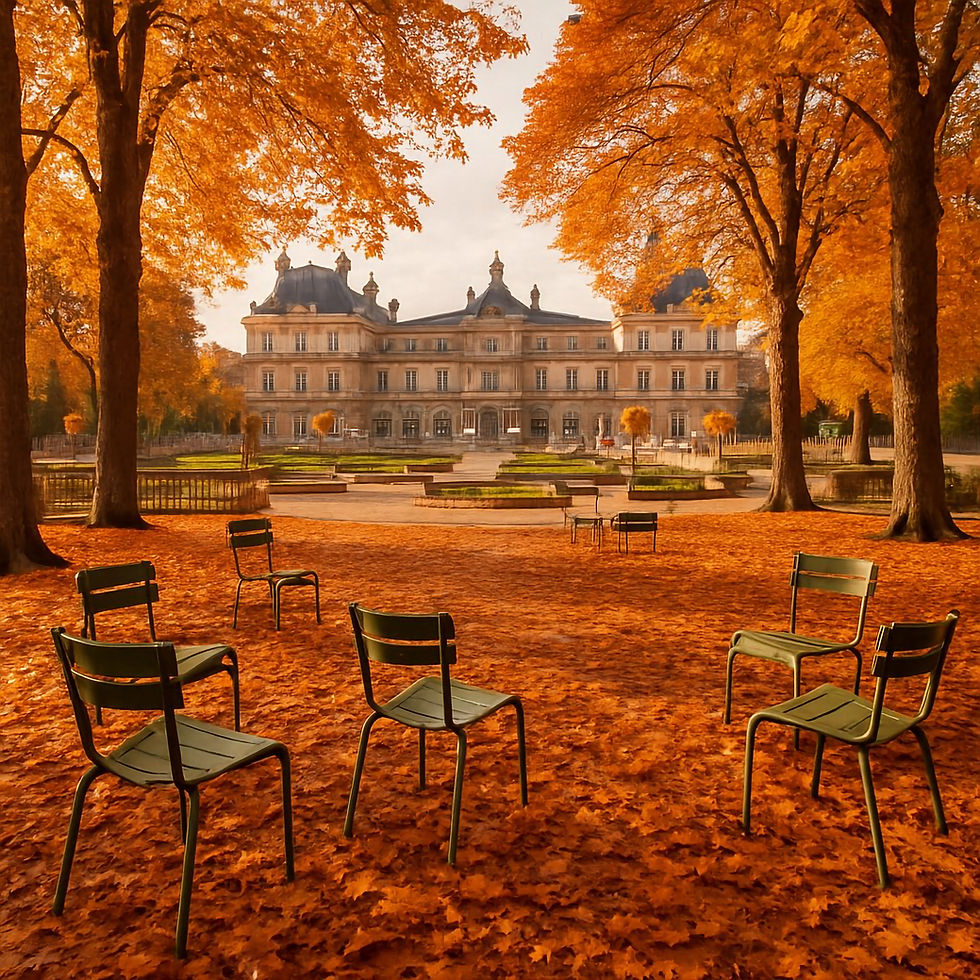
For me, Paris in autumn has one detail that never gets old: walking through streets lined with orange leaves, which feels very different from what we get in Brazil. It is not just prettier, it slows the city down in a way that makes solo travel feel easier and more atmospheric.
⚠️ Spring watch: The Roland Garros tournament in late May lifts accommodation prices across the city to near-peak levels for two weeks. Book well ahead or shift dates to avoid it.
✦ Fall advantage: October brings the Fête des Vendanges de Montmartre, Paris’s grape harvest festival around the working vineyard on Montmartre. It gives autumn Paris a local, cultural rhythm that spring cannot quite replicate, launching the theater and gallery season with noticeably fewer tourists than in July or August.
Read the Paris in Spring guide or our full Paris in Fall guide for neighborhood walking routes and a detailed seasonal itinerary.

Rome
Best Season: Tie
Rome is the one city where the season matters less than your strategy. Spring brings blooming pink azaleas on the Spanish Steps and the vibrant energy of a city waking up.
Fall brings regional wine harvests and golden evenings. The crowds, however, do not disappear in either season.
In my own October trips to Rome, Sicily, and Malta, the crowds were still very real, especially around major sights and popular center-city areas.
Pack thick-soled leather walking shoes to handle the uneven cobblestones that radiate intense ground heat during the afternoon sun.
⚠️ Spring watch: Easter week hits near-August density at the Colosseum and Vatican. Timed tickets sell out weeks in advance through the official channel. Book via a verified partner well ahead.
⚠️ Fall watch: October is no longer quiet. The crowd relief is real compared to August but regularly overstated by generic travel guides. Do not skip ticket pre-booking in the fall.
Heading to Italy and want the full ticket strategy? Read the guide on how to skip the lines
London
Best Season: Autumn
London in autumn is the most comfortable version of the city for a solo woman traveler. Theater season runs at full capacity, the world-class free museums have no queues, and the pub culture makes solo evenings genuinely enjoyable rather than something to navigate around.
⚠️ Spring watch: The Chelsea Flower Show in late May can push accommodation prices up, especially in West London, and brings heavy demand to that side of the city. If you are not going for the show itself, avoid those dates or book well ahead
✦ Fall advantage: West End theater season opens in September with new productions at normal prices before reviews drive demand up.
Two Tripnsense guides that pair well with a London autumn trip: the London Wonders best attractions for planning your sightseeing priorities, and 15 Amazing Free things to do in London if you want to stretch your budget across the full stay.
Lisbon and Porto
Best Season: Autumn

Portugal in autumn is one of the most underused solo travel windows in Europe. Warm through October, quieter than summer, and cheaper, with the Douro Valley wine harvest adding a cultural layer that spring cannot offer.
⚠️ Spring watch: Santos Populares in late June pushes Lisbon accommodation prices up significantly. Spring itself, before June, is actually a good value.
✦ Fall advantage: The Douro Valley harvest, or vindima, usually gives September and early October a special atmosphere in northern Portugal. For women traveling solo, it is one of the most rewarding fall add-ons from Porto: scenic, cultural, wine-focused, and easier to experience without the summer rush.
Planning to extend your journey north to the wine country? View our complete Porto and Gaia Travel Guide and Lisbon 3 Days Itinerary to plan your visits to the historic riverside wine cellars, local tasting rooms, and scenic viewpoints along the Douro River.
Prague
Best Season: Autumn

Is October a good time to visit Prague as a solo traveler?
Yes, October is Prague's best month for solo women. Crowds drop clearly from September, prices fall, and the autumn foliage on Charles Bridge makes the city look like a different place from its summer self. The cultural calendar is full and the streets are calm enough to explore at your own pace.
⚠️ Spring watch: Easter weekend pushes Prague to its busiest of the year, avoid it if a calm solo pace matters. For the Easter markets themselves, timing, and what Old Town Square looks like in spring, the best spring destinations in Europe guide has the detail.
✦ Fall tip: Prague combines well with Budapest by train. Five days in each city works naturally, and autumn suits both destinations.
See our comprehensive Prague top things to do and the Budapest solo women's itinerary for the full combination.
Amsterdam
Best Season: Depends
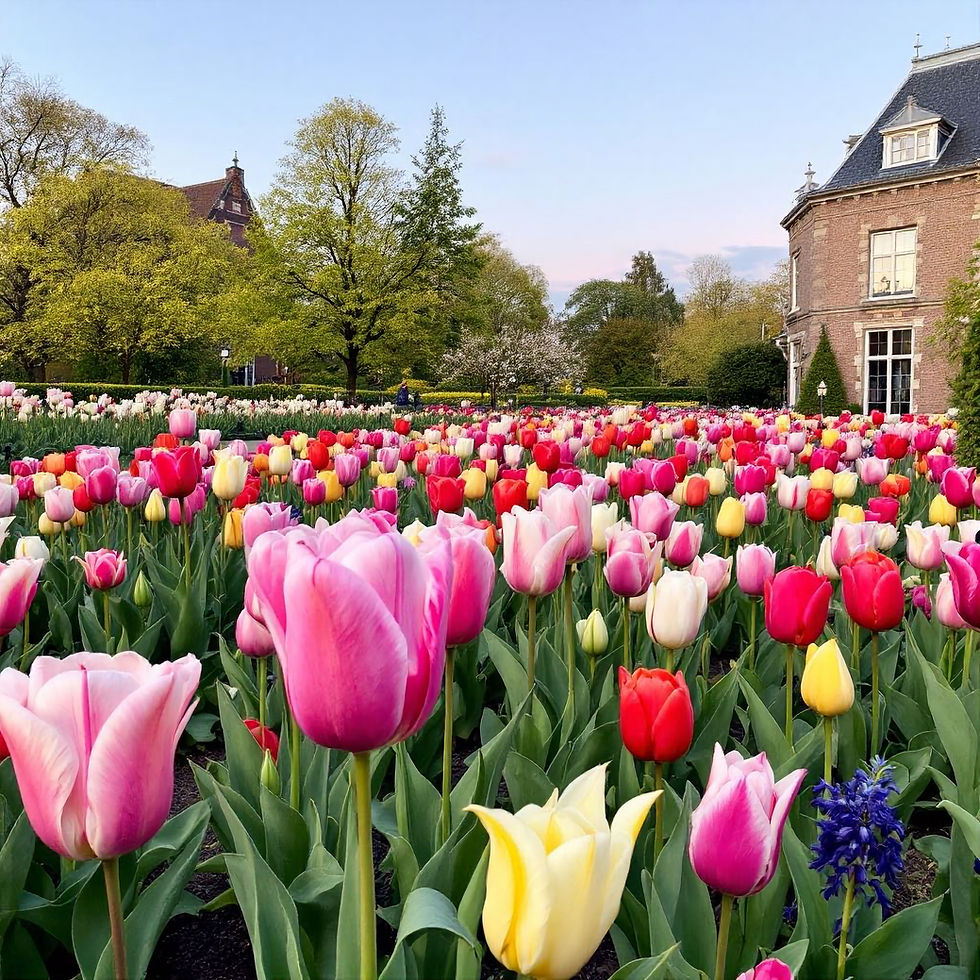
Amsterdam is the one city where the verdict is genuinely split. Spring delivers a safety asset for a solo woman: extended evening daylight.
By May, the sun sets past 9:00 PM, which means post-dinner walks along the canals happen in soft evening light rather than full dark. Autumn counters with an unhurried, local pace that makes spontaneous museum exploration incredibly easy.
As a Brazilian born in Cairo, I find Amsterdam in autumn already too cold, which is exactly why spring is the better choice for me, even though fall offers quieter canals and fewer lines.
✦ Choose spring if: if you want the Keukenhof tulip gardens; the peak runs from mid-April to early May and there is simply no fall equivalent. For the full logistics on timing and tickets, the most beautiful spring gardens in Europe guide has Keukenhof covered in depth. King's Day on April 27 is the other reason spring wins Amsterdam. If that's part of your plan, there's no debate
✦ Choose autumn if: You want the city itself. You get the Rijksmuseum without overwhelming lines, gorgeous canal light in October for photography, and a relaxed solo pace that massive spring crowds make difficult to find.
If flowers and gardens are shaping your itinerary, the post Europe’s most beautiful spring gardens can help you decide whether Amsterdam, Paris, London, or another city deserves the spring slot.
Is Europe less crowded in October?
The advice to travel in September and October to beat the crowds was accurate a decade ago. It is still true in Northern and Central Europe. In Southern Europe, it is no longer a reliable rule. Here is the honest picture.
So Which Season Should You Choose?
If I had to give one answer to a woman booking her first solo European trip, choose autumn. The crowd levels in northern and central cities, the price point, the cultural season, and the solo dining experience all point in the same direction.
But spring has a strong case for a specific type of traveler, and forcing autumn on someone who wants tulip fields and Easter markets would be the wrong advice.
Quick Reference: Which Season Fits Your Travel Style?
Your Traveler Type | Better Season | The Practical Reason Why |
First-time solo woman in Europe | 🍂 Fall | Calmer streets, easier solo dining, fewer tour groups, and a more relaxed city rhythm. |
Woman over 50 who prefers comfort | 🍂 Fall | Cooler walking weather, less heat stress, softer light, and a slower, neighbors-only cultural pace. |
Traveler nervous about walking after dinner | 🌸 Spring | Longer evening daylight, especially in May, means walking back to your hotel in twilight rather than pitch darkness. |
Garden and flower lover | 🌸 Spring | The mandatory window for Keukenhof tulips, London cherry blossoms, and the Chelsea Flower Show. |
Food and wine traveler | 🍂 Fall | Peak harvest season, local wine festivals, richer menus, and experiences like the Douro Valley wine crush. |
Budget-conscious traveler | 🍂 Fall | October consistently offers deeper value than May, especially outside of major event weeks. |
Culture-focused traveler | 🍂 Fall | Major theater openings, fresh gallery exhibitions, and local cultural calendars return in full force. |
Traveler who dislikes crowds | 🍂 Fall (With Care) | Northern and Central Europe calm down beautifully, but remember that the Mediterranean remains busy. |
Photography lover | 🍂 Fall | Breathtaking low-angle light, golden foliage, and significantly fewer tourists blocking your shot. |
Traveler who wants high energy | 🌸 Spring | Outdoor cafés reopen, locals pour into the streets, and cities feel joyful as they wake up from winter. |
Choose spring if you want:
Tulip fields, cherry blossoms, and garden events like Keukenhof or the Chelsea Flower Show
Easter markets in Prague or Vienna
Long May evenings for solo walking
High city energy, outdoor cafés, and a fresh seasonal atmosphere
Amsterdam during Keukenhof or King’s Day
Choose autumn if you want:
Lower prices and better flight value
Quieter streets in London, Prague, Amsterdam, and northern Europe
Theater, gallery, and cultural seasons in full swing in Paris and London
Wine harvests in Portugal, Italy, or France
Easier solo dining without the summer rush
Ready to plan the trip? The Solo Travel Guide for Women Over 50 covers everything from packing to accommodation to arriving alone in a new city.
Frequently Asked Questions
Is it better to go to Europe in the spring or fall?
Fall wins for most solo women travelers on price, crowd levels, and cultural depth. Spring wins for specific experiences: Keukenhof tulips, Easter markets, and the energy of cities waking up after winter. The right answer depends on your cities and priorities. Southern European cities like Rome and Lisbon are busy in both seasons regardless of timing.
What is the safest European city for solo female travelers?
Amsterdam, Lisbon, Vienna, and Copenhagen consistently rank among the safest cities in Europe for women traveling alone, based on low street harassment, reliable public transport, and well-lit central areas. Season does not change the baseline safety profile of a city significantly. Spring crowd density raises pickpocket risk at major tourist sites, but all four cities are safe year-round.
Is 70 too old to travel solo in Europe?
No. Europe is one of the most accessible solo travel destinations in the world for older women. Transport is strong, cities are walkable, and the cultural pace in autumn particularly suits travelers who prefer unhurried days. Many women in the Tripnsense community started solo travel after 60 and found autumn in Europe among their most rewarding experiences.
What is the cheapest time to go to Europe?
October is the best value month among comfortable travel windows. Flights and accommodation are noticeably lower than in spring or July. Avoid Easter week and the Roland Garros fortnight in Paris in late May, both hit near-peak pricing. November is cheaper still but too cold and dark for solo evening walks.
What is shoulder season in Europe?
Shoulder season in Europe runs from April–June and September–October: the periods between peak summer crowds and low winter prices. Temperatures are mild, popular sites are manageable, and prices are generally lower than in July and August.
Trusted Resources for Solo Women Travelers in Europe
These are the services and tools used or vetted through personal travel. Affiliate links are marked. They cost you nothing extra and help keep this guide free.
🛡 Travel insurance: I will not recommend any specific international providers here, as my own coverage is through a local Brazilian company. But tell me in the comments which one do you use and if it is reliable!
🎫 Tours and experiences: GetYourGuide and Viator both carry strong solo-friendly options, including free walking tours as a first-day orientation tool and seasonal experiences like wine harvest tours in October. Filter by solo traveler reviews where the option exists.
🏨 Accommodation: When filtering on Booking.com or Hotels.com, sort by review score and look specifically at reviews from solo women travelers. Central neighborhoods consistently outperform peripheral ones for solo comfort, regardless of season.
The best season is the one you actually book. Go in spring with your eyes open. Go in autumn knowing the South is busier than the guides suggest.
Go either way knowing that the trip you plan well is the one that works, regardless of what month it falls in.


Comments