
Best Weekend Escapes in Europe: Where to Go for 3 or 4 Days
Updated: Aug 19
The best weekend escape in Europe depends on two things: when you are going and what kind of traveler you are. This guide matches 20 European destinations to four seasons and five traveler profiles, with ideas that work especially well for 3-day and 4-day trips.
It is written for travelers already in Europe, living in Europe, or planning a short escape as part of a longer European itinerary. If you are flying long-haul, use these ideas as short breaks during a longer trip rather than as standalone weekend flights.

How to Use This Guide
Start with the season, then choose the kind of trip you actually want: cultural history, food, slow travel, a restorative escape, or wine.
The point is not to see everything. A good European weekend escape should feel focused, manageable, and worth the effort.
These profiles are starting points, not strict categories. A wine weekend in Bordeaux will also give you food, architecture, and slow afternoons. A slow travel escape in Annecy might turn into a food weekend. Use the profile that fits you most today to enter the matrix, then let the destination surprise you.
Where to Go in Europe for 3 or 4 Days
For a 3-day trip in Europe, choose a compact city or small destination where the main experience is close to your hotel. Bruges, San Sebastián, Ljubljana, Lyon, Vienna, Valletta, Annecy, and Edinburgh all work well because you can walk, eat, explore, and leave without building a complicated itinerary.
For a 4-day trip in Europe, choose a place where the extra day adds something meaningful. That could be a wine tasting in Bordeaux, a lake boat near Geneva, a Douro Valley train journey, a slower winter stay in Dubrovnik, or a vineyard day in Rioja.
For a short European trip, the smarter question is not “which country can I cover?” but “which city or small region gives me the best experience with the least friction?”
Quick Comparison: 3-Day vs. 4-Day Escapes
A simple way to think about cost is this: 3-day trips usually work best when the destination itself is the experience, while 4-day trips are worth it when the extra day justifies a train ride, wine tour, boat trip, or countryside visit.
Trip length | Best for | Cost tendency | Planning style |
3 days | Compact cities and walkable historic centers | Usually lower cost | Stay central and keep the plan simple |
4 days | Wine regions, lakes, islands, and slower regional escapes | Often higher cost, but better value if the extra day adds a real experience | Add one meaningful side trip or guided experience |
The Europe Weekend Escape Matrix
Table of Contents
Use these shortcuts if you already know what kind of trip you want.
Spring Weekend Escapes in Europe
Spring is the season for walkable cities, old towns, gardens, riverside cafés, and destinations that feel awake again after winter. It is also one of the best seasons for solo travelers because many places are lively without being crowded.
Guimarães, Portugal
Best for: Cultural history
Best months: April to June

Guimarães is one of the best spring weekend escapes in Europe if you want history without the weight of a major capital. The old town is compact, atmospheric, and easy to explore on foot, with medieval streets, quiet squares, a castle, and enough cultural depth to make a short trip feel meaningful.
June can be particularly atmospheric if your dates overlap with the Feira Afonsina, a medieval style event with historical reenactments, markets, and performances in the historic center. The larger Festas da Cidade e Gualterianas usually fall around late July and the first weekend of August, so check the official calendar before booking.
Signature experience: Walk from the historic center to Guimarães Castle and the Palace of the Dukes of Braganza. If your dates are flexible, check whether the Feira Afonsina or the Gualterianas overlap with your trip.
Solo dining note: Guimarães is comfortable for a solo meal, especially in the historic center, where restaurants feel traditional rather than scene-driven.
If Guimarães is on your list, Amarante is just 30 minutes away and worth an overnight stop.
San Sebastián, Spain
Best for: Foodie
Best months: April to June

San Sebastián is a spring foodie escape made for flexible grazing. You do not need a formal dining plan to enjoy it well. With one of the highest concentrations of Michelin stars per capita in the world, the real joy lies in its casual elegance: pintxos bars, fresh markets, and seaside walks make it easy to build a weekend around exceptional food without the friction of constant reservations.
The city is also genuinely beautiful in a way that surprises first-time visitors. Belle Époque facades line the bay, and the neighborhoods reward wandering beyond the old town. Egia is quieter and more residential, with indie art spaces, hidden bars, and live music nights that feel unplanned in the best way. Antiguo, near Ondarreta Beach, is more laid-back, full of students and longtime locals going about their day without an audience.
Signature experience: Spend an evening moving slowly between pintxos bars in the old town, or join a guided pintxos tour if you want a local to lead the way, then walk the bay promenade to take in the Belle Époque architecture by golden hour
Solo dining note: One of the easiest European cities to eat alone because pintxos culture is built around standing, tasting, and moving at your own pace.
Bruges, Belgium
Best for: Slow travel
Best months: April to May

Bruges rewards slowness. The city's real charm isn't in its landmarks. It's in the cobbled streets between them, in a second beer at a brown café while the afternoon light hits the water, in finding Rozenhoedkaai before the tour groups arrive. The landmarks are just the excuse to be there.
Spring is a good time to go because the city feels lighter before the heaviest summer crowds arrive. Choose Bruges if you want a beautiful, compact weekend where walking, cafés, and small details matter more than a packed itinerary.
Signature experience: Stay for dinner. When the day-trippers leave, Bruges undergoes a transformation. The lighting on the canals turns cinematic, with that "In Bruges" film vibe everyone half-remembers.
Solo dining note: Bruges is easy for solo travelers because cafés, casual restaurants, chocolate shops, and beer bars create several low-pressure ways to take breaks.
If you are staying longer, our Bruges guide covers the best neighborhoods, cafés, and canal walks in more detail.
Ljubljana, Slovenia
Best for: Restorative escape
Best months: April to June
Ljubljana is the kind of spring escape that works if you want a city, but not a demanding one. It is green, walkable, calm, and centered around the river, with cafés, markets, bridges, and an easy rhythm.
This is not a spa-style wellness trip. It is restorative because it lets you slow down without feeling isolated. Choose Ljubljana if you want a gentle capital, fresh air, and enough culture for a weekend without the intensity of a larger European city.
Signature experience: Walk along the Ljubljanica River, visit the market, and take your time over coffee.
Solo dining note: Riverside cafés and casual restaurants make Ljubljana comfortable for solo travelers who prefer relaxed meals over formal dining.
Colmar, France
Best for: Wine lovers
Best months: April to May
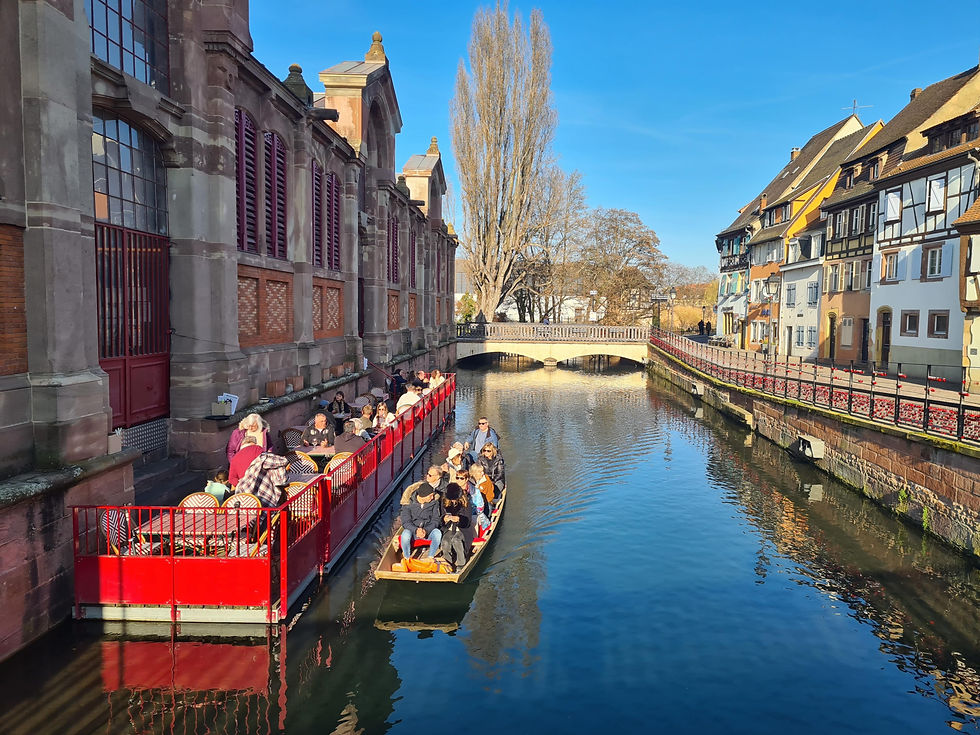
Colmar is a spring wine escape with a strong sense of place. Half-timbered houses, intimate wine cellars, Alsatian food, and easy access to the wine route make it a compact alternative to bigger French wine destinations.
Choose Colmar if you want a photogenic wine weekend without needing to rent a car for every moment. The appeal is not only the wine, but the combination of old streets, spring flowers, Riesling, Gewurztraminer, and small-town atmosphere.
Signature experience: Taste Alsatian wines in town, then use one day for a wine-route village or guided tasting.
Solo dining note: Colmar’s winstubs and casual restaurants work well for solo travelers, especially if you prefer cozy regional dining to formal tasting menus.
Summer Weekend Escapes in Europe
Summer weekend escapes need more discipline. Some destinations are too hot, too crowded, or too expensive to feel like a real break. The best choices either give you water, cooler air, long evenings, or a reason to embrace the season.
Agios Nikolaos, Greece
Best for: Cultural history
Best months: June to September

Agios Nikolaos offers a wilder, more lush side of Crete than the island's famous resort towns. Built around a small lake that opens into the harbor, it has a quieter beauty with layered history going back to Minoan and Venetian times, and a coastline that still feels genuinely Cretan rather than built for tour buses.
I prefer it over the more famous chains of resorts precisely because of that wildness. The nearby island of Spinalonga, a former leper colony with a haunting Venetian fortress, adds real historical weight, while the surrounding villages and coastline offer the kind of unpolished beauty that is increasingly hard to find elsewhere on the island.
Signature experience: Take a boat to Spinalonga, then spend the afternoon at the harbor or a quiet cove outside town. If you want a more luxurious base, Elounda is just 11 km away and home to some of Crete's finest resorts.
Solo dining note: Waterfront tavernas and cafés around the lake feel local rather than performative, making solo meals easy and genuinely pleasant.
If Agios Nikolaos appeals, our Crete guide covers the full island rhythm.
Gothenburg, Sweden
Best for: Foodie
Best months: June to August
Gothenburg is a smart summer food escape if you want cooler weather, world-class seafood, and long Nordic evenings instead of an overheated southern European city break. The city beautifully blends expansive green parks, canals, and rich museums with a vibrant, sustainable culinary scene.
It is the perfect alternative to traditional Mediterranean food hubs. The pleasures here are lighter and unpretentious, centered around historic fish markets, exceptional craft beer, and direct boat access to the peaceful, car-free southern archipelago.
Signature experience: Stay on the quieter side of the river and take the local ferry across to the old town, a small, scenic ritual that makes the city feel instantly local.
Solo dining note: Highly comfortable for independent travelers; the city’s indoor seafood halls, casual bistros, and historic cafés make solo dining feel entirely natural.
Amarante, Portugal
Best for: Slow travel
Best months: June to September
Amarante has the ingredients I love in a slower European stop: old stone streets, river views, historic architecture, local Vinho Verde, and cafés where you actually want to linger. The town sits gracefully along the Tâmega River, anchored by a historic bridge and monastery.
Most travelers visit as a day trip from Porto, and that works if you start early. But I spent one night here during a northern Portugal road trip from Porto through Viana do Castelo, Braga, and Guimarães, and that slower pace made the town feel far more romantic than a rushed photo stop ever could.
Signature experience: Cross the São Gonçalo Bridge, visit the historic convent, and slow down with coffee and traditional pastries overlooking the river. If you want local atmosphere, time your visit for the Festas do Junho festival, held the first weekend of June.
Solo dining note: Amarante works naturally for independent travelers. The pace is relaxed, tavern culture is low-key, and the town does not depend on group energy or nightlife to feel alive.
Experience Amarante’s slow pace and find the best spots to unwind along the Tâmega River.
Swiss Lakes / Lake Geneva
Best for: Restorative escape
Best months: June to September

For a long time, I found Switzerland a bit too polished, maybe even too quiet to feel worth lingering over. A road trip around Lake Geneva (Lac Léman) completely changed my mind, revealing a region packed with unexpected warmth, where terraced vineyard hillsides, medieval fortresses, and historic Belle Époque spa towns frame the towering Alps.
For a short stay, focusing on a single base like Montreux, Vevey, or Lausanne yields a perfectly balanced weekend. It allows you to keep the logistics simple: one beautiful lakefront walk, a scenic boat ride, and a quiet meal by the water.
Signature experience: Take a historic paddle steamer or a short train hop, then spend the afternoon walking the flower-lined lakefront without a fixed plan.
Solo dining note: Lakeside terraces, hotel brasseries, and casual shorefront cafés make independent dining feel seamless and elegant.
Douro Valley, Portugal
Best for: Wine lovers
Best months: June to August
The Douro Valley is where slow living stops being a concept and becomes something you actually feel. The terraced vineyards are vivid green before harvest, the river is bright, and there is a particular quiet here that makes it easy to feel genuinely disconnected from the world.
On the wine side, Casa Ferreirinha is one of the valley's most storied producers, known internationally for Barca Velha, Portugal's most celebrated and expensive red. I tried it and found it was not quite my style, which is a useful reminder that prestige and personal taste do not always align. Their Quinta da Leda and Papa Figos are excellent, considerably more affordable, and much closer to what the Douro actually feels like to drink in.
Signature experience: Take the train along the river from Porto, plan one focused winery visit, and let the afternoon slow down on its own.
Solo dining note: Wine estates and small hotel restaurants work well for solo travelers when you choose structured tastings or lunch experiences rather than romantic dinner settings designed for two.
Fall Weekend Escapes in Europe
Fall is one of the best seasons for European weekend escapes. The weather is softer, cities feel lived-in again, and food, wine, museums, lakes, and old towns all start to feel more inviting.
Edinburgh, Scotland
Best for: Cultural history
Best months: September to November
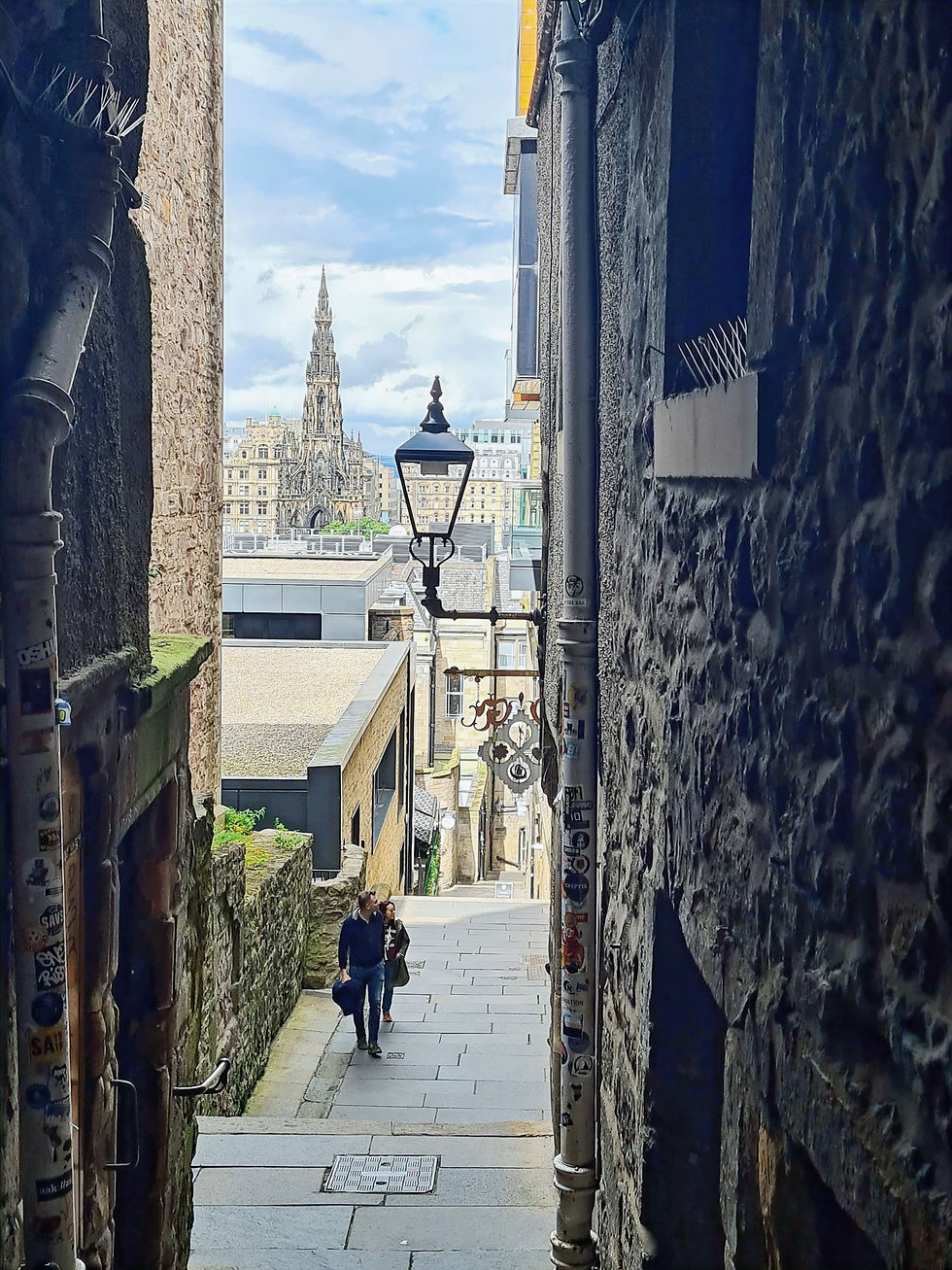
Edinburgh is a fall weekend escape with atmosphere built in. The old town, closes, literary history, museums, and castle views all work better when you are not expecting a sunny summer trip.
That said, the best time to visit depends on what you are after. As a Brazilian born in Egypt, any temperature below 21°C is too cold for me, so I went in August for the festival. The weather was pleasant, and it did not rain. August Edinburgh is crowded, vibrant, and noticeably more expensive than the rest of the year.
For a weekend escape without the festival crowds and prices, September and October hit a quieter, moodier sweet spot that suits the architecture far better.
Signature experience: Walk the Royal Mile down to Holyrood Palace, the official residence of the British monarch in Scotland. It turned out to be one of the coziest palaces I have ever visited, and gave me a completely different perspective on the British Crown than the grandeur of London suggests. Then wander the old town closes on the way back, or join a guided old town walk to catch the details you might otherwise miss.
Solo dining note: Edinburgh is comfortable alone because cafés, pubs, casual restaurants, and bookish corners make it easy to pause without feeling exposed.
Discover Edinburgh and see how to navigate the historic center, from the castle steps to the quiet side lanes.
Lyon, France
Best for: Foodie
Best months: September to November
Think of Lyon as a manageable Paris: architecture, food, shopping, and history in a size that makes it genuinely easy and pleasurable to walk around. It quietly holds more Michelin stars per capita than anywhere else in the world, Paris included, but the real joy is how approachable it all feels.
Beyond the bouchons and markets, the traboules are a must: a secret network of passageways running through buildings and courtyards across Vieux Lyon and Croix-Rousse. Built originally for silk workers, they were later used by French Resistance fighters during the Nazi occupation to move through the city undetected. Walking through unmarked doors into Renaissance courtyards gives the weekend a historical texture that goes well beyond the plate.
Signature experience: Explore Vieux Lyon's hidden traboules, or join a guided traboules tour to access the ones that are normally closed to independent visitors, then book a traditional bouchon or graze through Les Halles de Lyon Paul Bocuse.
Solo dining note: Markets, wine bars, café counters, and traditional bouchons give you several ways to eat well without needing a formal dining plan every night.
Annecy, France
Best for: Slow travel
Best months: September to October

Annecy is a fall escape for travelers who want beauty without intensity. The lake, old town canals, mountain views, and walking paths give the weekend a clear rhythm without demanding anything from you.
It is best when you do less: walk the old town, spend time by the lake, choose one viewpoint or boat ride, and leave room for wandering. September is also a good time to lean into Savoyard food, from cheese and charcuterie to lake fish and local wines. If your dates are flexible, check the local calendar for autumn events, especially Retour des Alpages in October.
Signature experience: Walk the old town and lakefront, then take time for a long café stop or lakeside meal. Do not try to fill every hour.
Solo dining note: Annecy is comfortable solo because walks, cafés, lake views, and casual meals carry the trip naturally without needing nightlife or group energy.
For lake timing and old town walks, our Annecy post goes deeper.
Budapest, Hungary
Best for: Restorative escape
Best months: September to November
Budapest surprised me. I expected something closer to Vienna or Prague, but it felt warmer and more lived-in. Heavily damaged in World War II and gradually rebuilt afterward, the city has a texture that feels approachable rather than stiff, with grand facades and Art Nouveau details without the polish that can make other Central European capitals feel slightly untouchable. For solo travel over 50, that comfort matters more than you might expect.
It works as a fall restorative escape because the baths, café culture, and river walks soften the pace naturally. You can walk along the Danube, visit one major sight, take time for a bath, and end the day simply.
Signature experience: Spend part of a day at a thermal bath, then walk along the river or settle into a historic café.
Solo dining note: Cafés, bakeries, markets, and bath culture offer several easy pauses without needing a group setting.
Planning a solo escape to Central Europe? Our 5-day Budapest itinerary is the perfect place to start.
Bordeaux, France
Best for: Wine lovers
Best months: September to October
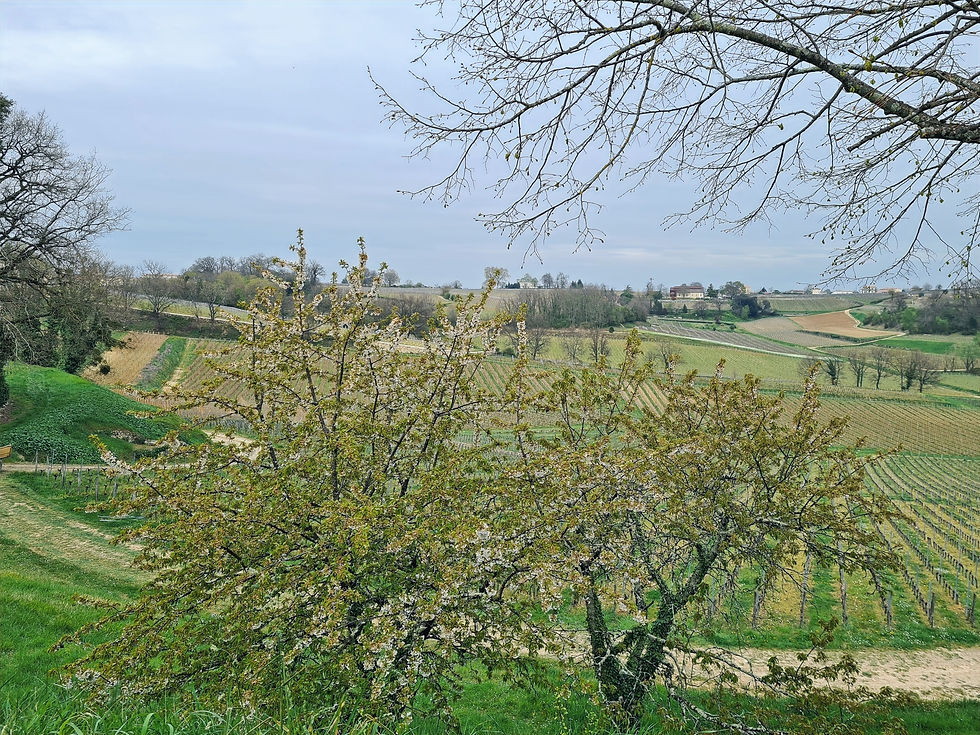
Bordeaux is one of the strongest fall wine weekends in Europe because the city gives you wine culture without requiring you to disappear into the countryside for the whole trip. In autumn, vineyard color and harvest energy make the region feel especially alive.
Start with the Cité du Vin, one of Europe's most ambitious wine museums, housed in a building that looks like it was designed to hold something precious, a sinuous gilded structure that stands out sharply against the Garonne. Inside, the exhibitions are genuinely immersive, covering wine history, production, and cultural weight across civilizations, not just a Bordeaux promotional exercise. Then add one vineyard day to Saint-Émilion or nearby estates.
Signature experience: Spend a morning at the Cité du Vin, then use one day for Saint-Émilion or nearby vineyards.
Solo dining note: Bordeaux is excellent for solo wine bars, small plates, and polished restaurants where dining alone feels completely normal.
Discover the best of Bordeaux and see how to easily combine immersive wine culture with a vibrant city break.
Winter Weekend Escapes in Europe
Winter is not only for Christmas markets and capital cities. The best winter weekend escapes are places that become calmer, more atmospheric, or easier to enjoy outside peak season.
Valletta, Malta
Best for: Cultural history
Best months: November to March
Valletta is a compact, layered capital that rewards winter visits precisely because it was not built for beach tourism. Fortifications, harbor views, golden stone streets, and a density of churches and museums make it genuinely substantial for a short cultural break.
Two honest notes many guides skip: Valletta is less naturally dramatic than Greece or Sicily, and the city is built on steep hills and stairs, which can be tiring if you have mobility issues or prefer flatter cities. Winter also sidesteps the intense summer crowds, particularly on boats to Comino.
Signature experience: Walk the city walls and harbor viewpoints early, then settle into one major church or museum before the afternoon light hits the stone streets.
Solo dining note: The old town has enough cafés, wine bars, and harbor-view restaurants that solo meals never feel forced or exposed.
Discover the history of Valletta and why Malta is one of the hottest trends in Mediterranean travel right now.
Évora, Portugal
Best for: Foodie
Best months: November to March
Évora layers Roman, Moorish, and medieval influences into a compact historic center that suits cooler months well. Alentejo cuisine, local wine, and slow restaurants give the trip genuine food depth, without the pace of a larger city.
I'll be completely honest about the Chapel of Bones: I don't have the right words for what it left me feeling. Not exactly disturbing, not exactly moving, something in between that stays with you longer than expected. Some travelers find it profound. Others just need a coffee afterward and a moment to sit with it.
Signature experience: Pair a slow Alentejo lunch with a walk through the old town and Roman temple area. Visit the Chapel of Bones, but give yourself time afterward.
Solo dining note: Traditional restaurants and a slower lunch culture make solo dining feel grounded here, especially at midday.
Dubrovnik, Croatia
Best for: Slow travel
Best months: November to March

Dubrovnik makes more sense in winter than in peak summer. Without the cruise crowds, the old town becomes easier to experience as a place rather than a backdrop: stone lanes, sea views, quiet cafés, and time to linger.
If you have been to quieter Croatian destinations first, like Zadar or Hvar, Dubrovnik can feel intense by comparison. Don't fight it, adjust to it: early morning is calm, midday is crowded, and evening turns magical again. In winter, that cycle simply disappears.
Signature experience: Walk the city walls early, then spend the afternoon moving slowly between the old harbor, side streets, and sea-facing cafés.
Solo dining note: Considerably more comfortable alone outside peak season, when restaurants feel calmer, and the city stops catering exclusively to groups and day-trippers.
Discover the walled city of Dubrovnik and see how to make it the closing chapter of a 10-day Croatia road trip.
Vienna, Austria
Best for: Restorative escape
Best months: November to February
Vienna is restorative in winter because it gives you beauty, order, and warmth. But what stays with me most is not the architecture or the museums; it is the music. Concerts happen all over the city, in grand halls, churches, and intimate venues tucked into side streets. Vienna gets to you through sound as much as sight.
Use the city for cafés, concerts, and elegant pauses rather than constant sightseeing. Bad weather is not a problem here. Vienna gives you every reason to be indoors without feeling trapped.
Signature experience: Book a concert, whatever the venue and scale. A grand hall is memorable, but so is a small church performance on a Tuesday evening. The music is everywhere if you look for it.
Solo dining note: Coffeehouses, bakeries, museum cafés, and concert tickets make Vienna one of the most naturally comfortable cities for independent travel: a concert seat is one of the best solo decisions you can make here.
Rioja, Spain
Best for: Wine lovers
Best months: November to February
Rioja is a brilliant winter wine escape because the harvest rush is over, the bodegas are quiet, and the focus shifts to intimate tastings and slow meals. Walled villages like Laguardia and the historic streets of Logroño give the trip real texture beyond the glass.
I have cycled the vineyards myself, and it is one of the best ways to feel the landscape rather than just pass through it. In winter though, the northern Spanish wind calls for a different approach: a scenic drive between hilltop towns, a private cellar tour, and a fireside lunch. Considerably more comfortable, and no less memorable.
Signature experience: Drive to Laguardia, tour a historic bodega, then spend the evening grazing through pintxos bars along Logroño's Calle Laurel.
Solo dining note: Pintxos culture and structured tastings offer natural, low-pressure ways to eat and drink at your own pace without a companion.
Discover Rioja through my cycling adventure and see how to plan your own wine-country route.
Practical Tips for Planning a European Weekend Escape
A good weekend escape should not feel like a miniature version of a two-week itinerary. The shorter the trip, the more important the focus.
For most European weekend breaks, three nights are better than two. Two nights can work if the flight or train is short, but three nights give you one full unhurried day and two softer travel days.
For a 3-day European trip, choose a destination where the city itself is the experience. Bruges, San Sebastián, Lyon, Vienna, Valletta, Ljubljana, Annecy, and Edinburgh all work because you can arrive, walk, eat, explore, and leave without needing a complicated plan.
For a 4-day European trip, choose a destination where the extra day adds something meaningful. That could be a wine day from Bordeaux, a lake boat near Geneva, a vineyard visit in Rioja, a Douro Valley train journey, or a slower winter stay in Dubrovnik.
Choose destinations where the airport or train station does not eat half the trip. A beautiful place becomes less appealing if the transfer is long, expensive, or stressful.
For solo travelers, prioritize cities and towns where it is easy to eat casually. Markets, cafés, wine bars, pintxos bars, seafood halls, bakeries, and traditional lunch restaurants make a short solo trip much more comfortable.
Do not overpack the itinerary. Choose one signature experience and let the rest of the weekend breathe. A weekend escape works best when you come home feeling restored, not as if you tried to compress Europe into 48 hours.
Transport:
For transport, choose the destination with the least friction from where you are starting. A direct train or short flight is usually better than a “better” destination that needs a connection, a long airport transfer, or a rental car. For a weekend escape, the journey matters almost as much as the place.
Accommodation
For accommodation, stay central even if it costs a little more. On a 3-day or 4-day trip, saving money on a hotel far from the old town, station, lakefront, or main restaurant area often costs you time and energy. The best weekend hotels are not always the fanciest ones. They are the ones that let you walk out the door and start the trip.
FAQ: Weekend Escapes in Europe
What is the best weekend escape in Europe for solo women?
The best weekend escape in Europe for solo women depends on the season and travel style. Bruges, San Sebastián, Amarante, Annecy, Valletta, Vienna, and Bordeaux are especially strong choices because they are walkable, culturally rewarding, and comfortable for independent dining and slow exploration.
Where in Europe is good for 3 days?
Compact capitals and walkable historic centers are usually best for 3 days in Europe. Ljubljana, Valletta, Bruges, San Sebastián, Lyon, Annecy, and Vienna all work well because the main experience is close to the center and you do not need a complicated plan.
Where should I go in Europe for 4 days?
For 4 days in Europe, choose a destination that allows one relaxed side trip or a slower regional experience. Bordeaux with Saint-Émilion, the Douro Valley, Lake Geneva, Agios Nikolaos, Rioja, and Dubrovnik are better with 4 days than with only 2 nights.
Where should I go in Europe for a weekend in winter?
For a winter weekend in Europe, choose Valletta for cultural history, Évora for food, Dubrovnik for slow travel, Vienna for restorative culture, and Rioja for wine. These destinations work well in winter because they are calmer, more atmospheric, or better suited to indoor and slow-paced travel outside peak season.
What is the best European weekend escape in fall?
The best fall weekend escape in Europe depends on your profile. Choose Edinburgh for history, Lyon for food, Annecy for slow travel, Budapest for thermal baths and cafés, or Bordeaux for wine. Fall is one of the best seasons for European weekend trips because the weather is milder and cities feel less pressured than in summer.
Which European weekend trips are best without a car?
Good European weekend trips without a car include Bruges, Ljubljana, Gothenburg, Annecy, Budapest, Vienna, Valletta, Lyon, San Sebastián, and Bordeaux. For wine regions like the Douro Valley, Colmar, or Rioja, a guided tour, train-based plan, or carefully chosen base can make the trip easier without renting a car.
What is the best European weekend getaway for food and culture?
San Sebastián, Lyon, Évora, Bordeaux, and Valletta are strong choices for food and culture. San Sebastián is best for pintxos, Lyon for traditional French food, Évora for Alentejo cuisine, Bordeaux for wine culture, and Valletta for Mediterranean history with good restaurants.
What is the most relaxing European city for a weekend break?
For a relaxing European weekend, choose Annecy, Ljubljana, Vienna, Bruges, Amarante, or Dubrovnik in winter. These destinations work well because the main experience is walking, cafés, views, slow meals, or calm cultural time rather than a packed sightseeing schedule.
Is it worth taking a weekend trip to Europe from the US?
For most travelers, a standalone weekend trip to Europe from the US is not worth it because long flights and jet lag take too much of the trip. This guide works better if you are already in Europe, living in Europe, or adding a 2- to 4-day escape to a longer European itinerary.
I am Mona, and I have been traveling Europe slowly and independently for years, with firsthand experience across France, Portugal, Spain, Scotland, Italy, Switzerland, Sweden, Hungary, Croatia, Malta, and Greece.
Most destinations in this guide come from personal experience. Ljubljana is the exception, researched carefully through trusted travel sources and firsthand accounts from travelers whose judgment I respect.


Comments